
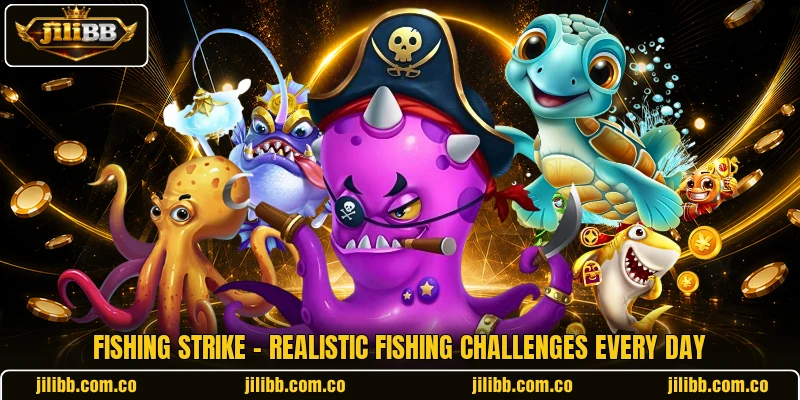
Fishing Strike gives players a clear look at an action game built around aiming, timing, and quick decisions. This article is written for Filipino players and members using jiliBB, helping them understand pace, choices, and play goals before joining.
Understanding the steady allure of Fishing Strike
The main idea of this game is easy to follow during the first round. Players aim at moving targets, fire shots, and watch each hit return a visible result. The screen stays active, so members can read patterns without needing complex card rules.
A typical round feels fast because fish groups move across several lanes at once. Some targets leave quickly, while larger ones stay longer and need more accurate shots. On jiliBB, the game suits players who prefer direct action over long waiting periods.
The appeal also comes from clear feedback after every shot and every captured target. Players using PHP or USD balances can choose a pace that matches the selected room. This helps members focus on aiming choices instead of guessing what happened.

Rules and controls every participant should know first
The game feels simple, but each control changes how a round develops for players. Learning the basic buttons first makes every later choice easier to understand.
Basic round flow and aims
Each round starts with targets moving across the screen from different directions. Players select a cannon level, aim at a fish, and release shots with steady timing. A successful hit may return a reward based on the target value shown.
Small fish usually move faster, yet they need fewer shots to capture. Larger targets can bring higher returns, but they may require stronger cannons and better timing. Fishing Strike becomes easier when members compare target size with shot cost.
Players should watch how crowded lanes change before firing repeated shots. A busy lane may hide valuable targets behind smaller moving groups. Waiting briefly can create a clearer angle without making the round feel slow.
Cannon levels and shot choices
Cannon level affects shot strength, cost, and the number of attempts needed. A higher setting may help against large targets, but every missed shot still matters. Players should switch levels only when the target clearly justifies that change.
A lower setting can suit smaller fish that appear in groups. This approach keeps the round active without pushing every shot toward one large target. Fishing Strike rewards careful matching between cannon strength and target movement.
Shot timing also matters because targets rarely move in straight lines. Firing at the front edge can work when fish cross quickly. Holding the aim for one second may help when larger targets turn near corners.
Reward symbols and special targets
Special icons often appear during active rounds and can change the screen quickly. Players should read each symbol before chasing it with repeated shots. Some icons may help clear groups, while others point toward higher target values.
Special targets can be tempting because they look different from normal fish. Still, members should check whether the target is close enough for accurate fire. Fishing Strike feels better when players avoid chasing icons that are already leaving.
Not every bright target deserves immediate attention during a crowded round. A simple small fish group can offer cleaner hits when special targets overlap. Players gain better rhythm by choosing visible lanes instead of rushing every symbol.
Why Fishing Strike seems active
The game keeps players involved because every second offers a new aiming choice. Targets enter, leave, split, and overlap without long pauses between decisions. This constant movement makes the game feel different from slower table formats.
Active play also comes from quick feedback after each hit or miss. Players can adjust the cannon level, change lane focus, or wait for cleaner movement. These small decisions make each round feel connected from start to finish.
Members should focus on repeatable actions rather than random bursts of firing. A clear pattern helps players understand which targets match their chosen room. This makes Fishing Strike easier to follow during longer sessions.

Smart room choice and practical play tips
Room choice affects game speed, shot cost, and target behavior across each session. Players can use simple checks before entering a room with PHP or USD balances.
Match rooms with round speed
Some rooms feel quick because targets move often and rewards appear faster. Other rooms may feel heavier because larger fish need more shots. Players should choose a room that matches their preferred pace before starting.
A lower room can help members learn controls without pressure from bigger shot costs. It also gives more time to test angles and cannon settings. Fishing Strike becomes clearer when the room speed fits the player’s current focus.
Players who enjoy faster action may prefer rooms with frequent target waves. These rooms need sharper aiming because fish leave the screen quickly. A slower start still helps members read movement before using stronger shots.
Pick targets with clear paths
Clear target paths make shots easier to judge during crowded rounds. Players should look for fish moving across open lanes instead of hidden clusters. A visible path gives the cannon more chances to connect cleanly.
Large targets can look attractive, but distance and angle matter more. If a fish is already near the screen edge, repeated shots may arrive too late. Fishing Strike works best when players choose targets with enough travel time.
Small groups can also create useful chances when they move together. A steady stream of modest targets may keep the round productive. Members should compare open lanes before switching toward larger moving fish.
Use pauses between shot bursts
Short pauses can help players see where the next wave is forming. Constant firing may cover the screen and make useful targets harder to track. A brief stop gives better timing without ending the game flow.
Players can pause after a missed burst and adjust the cannon level. This keeps the next shots connected to what happened on screen. Fishing Strike often feels smoother when members avoid firing through blocked angles.
Pauses also help when special icons overlap with normal targets. Waiting for separation can make the better target easier to hit. Players can then aim with cleaner sight lines and fewer wasted attempts.

Conclusion
Fishing Strike is mainly about clear targets, suitable rooms, and steady shot choices. Players can use jiliBB to read the game flow before joining stronger rounds. Download the app, enter carefully, and good luck with your next session.
